
Understanding Your Truck Accident Case: How Liability, Evidence, and Insurance Work in New Jersey
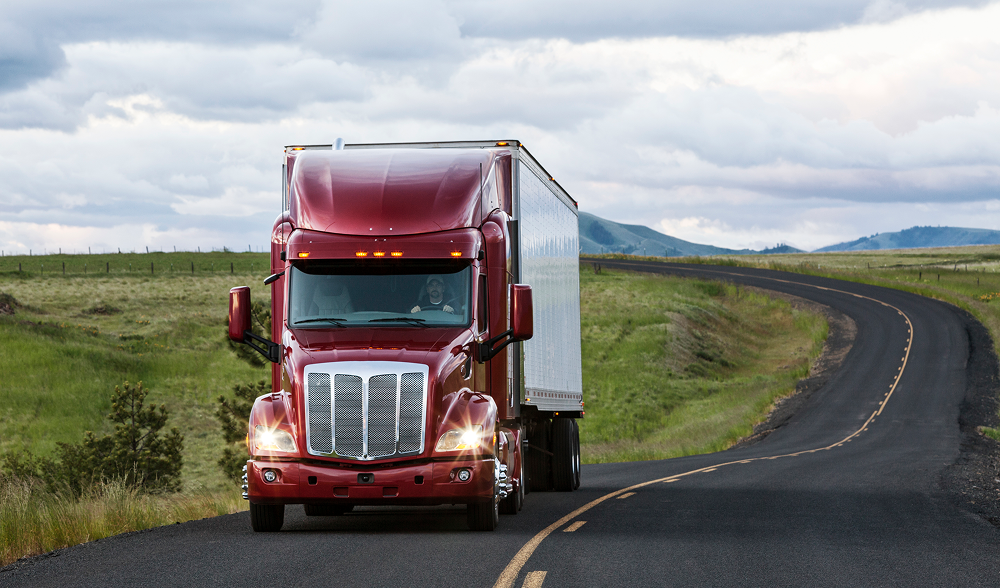
A commercial truck traveling along the Turnpike is fundamentally different from the cars around it. Carrying tens of thousands of pounds of momentum, even a brief loss of control can have devastating consequences for a passenger vehicle. The injuries that result are often severe, with medical care, lost wages, and vehicle damage to deal with immediately, while insurance investigations add an additional layer of complexity.
Unlike typical car accidents, truck crashes involve multiple layers of responsibility, extensive documentation, and complex insurance structures. Understanding how liability, evidence, and insurance operate under New Jersey law can help injured individuals protect their rights and make informed decisions during a difficult period.
Why Truck Accident Cases Are Different
Commercial trucking is regulated at both the state and federal levels. Drivers, motor carriers, maintenance providers, and logistics companies operate under safety rules designed to reduce risk on public roadways. When those systems fail, the consequences can be catastrophic.
How Liability Is Evaluated After a Truck Crash in New Jersey
Liability in a truck accident is evaluated by examining how the crash occurred and identifying the actions, omissions, or system failures that contributed to it. The analysis focuses on how safety responsibilities were carried out and how documented failures contributed to the resulting injuries.
Truck accident claims often require a broader review than typical motor vehicle cases because commercial trucking operates as an interconnected system. Drivers, motor carriers, contractors, and equipment providers all function within defined safety frameworks, and a breakdown at any point may become relevant during a liability review.
Driver conduct is evaluated alongside company policies, training, supervision, maintenance practices, and operational controls.
Parties commonly reviewed in a New Jersey truck accident investigation include:
- The truck driver, based on documented driving behavior such as fatigue, distraction, or unsafe operation
- The motor carrier, based on company policies, scheduling practices, training, or supervision
- Maintenance and repair providers, based on inspection records and repair histories
- Manufacturers or suppliers, when equipment or safety components fail during normal use
- Other drivers, when their actions contribute to the collision
Under New Jersey’s Comparative Negligence Act, responsibility may be allocated among multiple parties based on each party’s level of contribution to the accident. Liability is determined through evidence, expert analysis, and a careful review of the full record.
Evidence That Shapes a Truck Accident Case
Evidence preservation plays a central role in truck accident claims. Many forms of evidence are time-sensitive and may be lost if not secured promptly.
Common sources of evidence include:
- Police crash reports and witness statements
- Photographs and video from the scene
- Onboard and dash-camera footage
- Event data recorder (“black box”) information
- Electronic logging device and Hours-of-Service records
- Dispatch logs and maintenance histories
- Medical records documenting injury, treatment, and prognosis
- Court records and regulatory filings related to prior incidents, when relevant
Electronic data can reveal speed, braking, steering input, and driver activity before and after impact. Medical documentation helps establish a timeline linking injuries to the crash.
In more complex cases, expert witnesses may review this information. Accident reconstruction specialists, trucking safety experts, medical professionals, and vocational experts may analyze records and provide opinions grounded in evidence. Their role is to clarify technical issues.
Driver Fatigue, Distraction, and Regulatory Compliance
Federal Hours-of-Service rules limit how long commercial drivers may operate without rest. Violations can contribute to fatigue, slower reaction times, and impaired judgment. Distraction from phones, navigation systems, or in-cab technology may also play a role.
Fatigue and distraction as contributing factors are assessed through a review of records and electronic data. Logbooks, telematics, onboard systems, and witness statements are examined together to form a complete picture.
How Insurance Works in Truck Accident Claims
Insurance coverage in truck accident cases differs from standard auto claims. Multiple insurers may be involved, including:
- The driver’s policy
- The motor carrier’s commercial liability coverage
- Additional excess or umbrella policies
Commercial insurers often begin investigating immediately. Early settlement discussions may occur before the full scope of injuries, future care needs, or financial losses is known.
Injured individuals are required to notify their own insurer in accordance with policy terms. Reporting the incident accurately and carefully is important, as statements and documentation can influence how a claim is evaluated. Insurance decisions rely heavily on medical records, wage documentation, and verified evidence.
When a Truck Accident Case Moves Beyond Insurance Negotiations
If insurance negotiations do not lead to a resolution that reflects documented harm, a personal injury lawsuit may be considered. Once filed, the case enters the discovery phase.
Discovery may involve:
- Accident reports and sworn testimony
- Black box and Hours-of-Service data
- Maintenance, inspection, and safety records
- Medical evaluations and opinions from expert witnesses
If a case proceeds to trial, a judge or jury evaluates liability and damages based on the evidence presented and the applicable burden of proof under civil law. Civil cases follow procedural rules distinct from criminal proceedings, and outcomes are determined under New Jersey law using the civil standard of proof, meaning the evidence must show that responsibility is more likely than not.
Damages in Serious Truck Accident Cases
When evidence supports liability, damages may include:
- Medical expenses, including future treatment and rehabilitation
- Lost income and reduced earning capacity
- Long-term care needs
- Pain and suffering
- Emotional harm associated with serious injury
When a truck accident results in a fatality, wrongful death damages may also be pursued on behalf of surviving family members. These may include:
- Funeral and burial expenses
- Loss of financial support and household services
- Loss of companionship, guidance, and care
- Economic losses suffered by dependents under New Jersey law
Each case is evaluated individually. Compensation depends on documented losses, expert analysis, and applicable New Jersey law.
Trusted Legal Guidance for New Jersey Truck Accident Victims
Truck accidents can alter lives in an instant. Clear information, careful documentation, and timely evidence preservation help protect the path forward.
Eichen Crutchlow Zaslow, LLP represents New Jersey drivers and families harmed in serious truck crashes. The firm reviews records, preserves critical evidence, and provides clear guidance on legal options when the facts support a claim.
A free confidential consultation is available for those seeking clarity after a commercial truck accident.
Eichen Crutchlow Zaslow, LLP has purposely remained small in size, because it is important to us that we get to know our clients and their needs. Larger NJ injury firms may churn out case after case, but that’s not how we operate. Partners Barry Eichen, William Crutchlow, and Daryl Zaslow have created a firm with the resources to handle complex litigation, and a team that takes your case personally.
Find out more about Eichen Crutchlow Zaslow, LLP