
Public Transit Injuries in New Jersey: What You Should Know About Bus Accident Claims
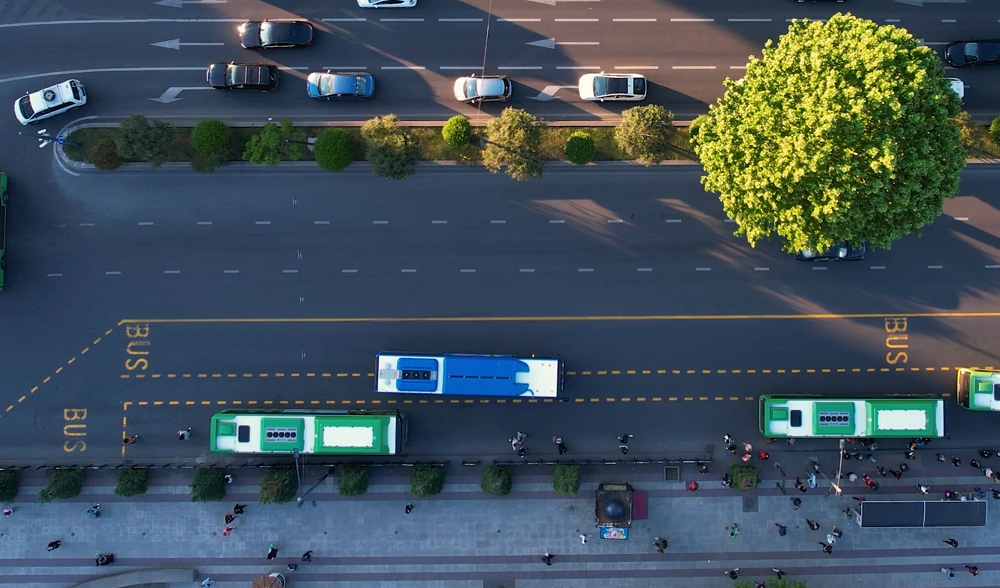
Thousands of residents rely on public transportation to move throughout New Jersey every day. Bus routes connect major hubs, such as Hoboken Terminal, with neighborhood streets, forming the backbone of the daily commute. When that routine is disrupted by a crash or onboard incident, the consequences may be immediate and severe.
A sudden stop. A collision at an intersection. A mechanical failure inside the vehicle. Passengers may be injured without warning and left unsure about how to proceed. Injuries involving public transit systems often trigger strict statutory procedures and shorter filing deadlines.
When a Bus Accident Involves a Public Entity
Most motor vehicle accident claims are handled through a private insurance company. Bus accident claims often involve government-operated systems, such as NJ Transit or other municipal agencies. That distinction affects both procedure and the timing of the claim.
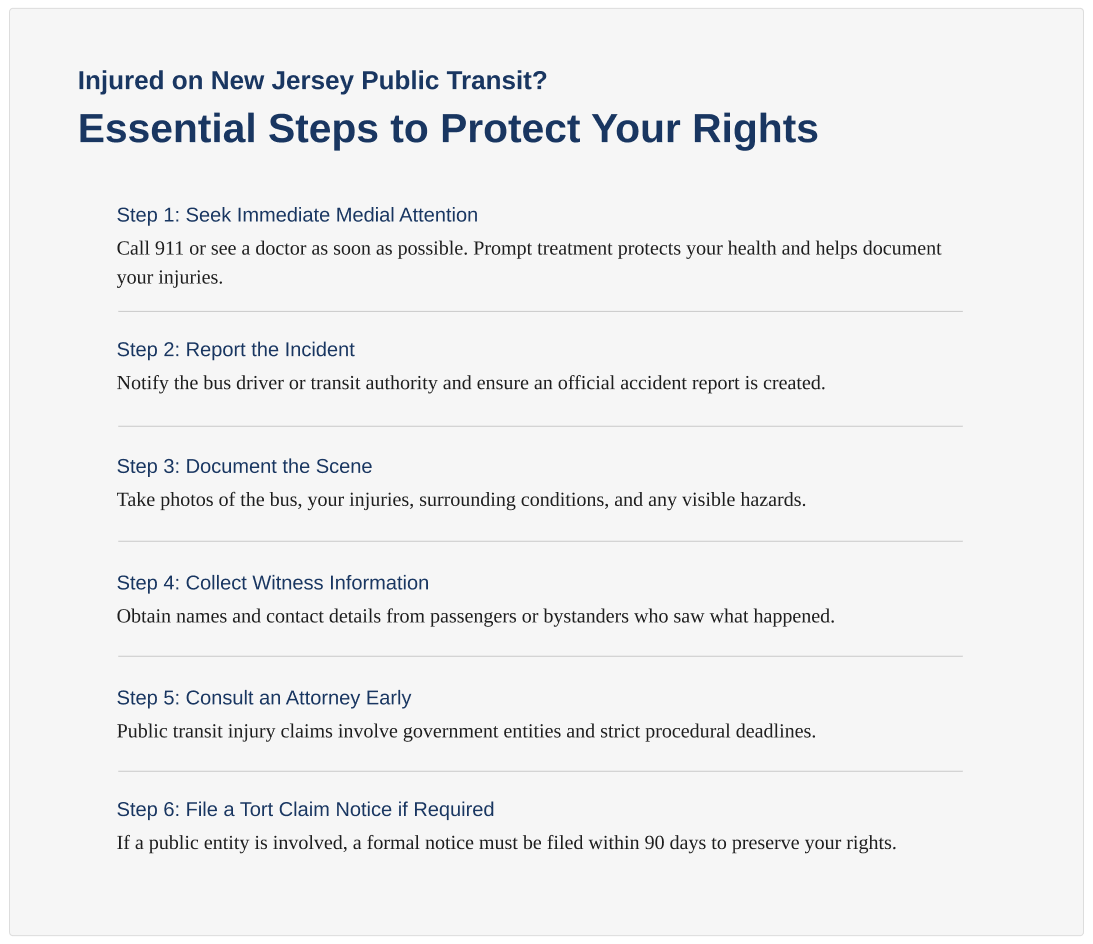
Claims against public entities are governed by the New Jersey Tort Claims Act. Injured individuals must file a formal Tort Claims Notice. This notice preserves the right to pursue compensation and initiates the claims process.
Failure to comply with this deadline may bar recovery.
If a bus is operated by a private company under contract rather than directly by a public authority, traditional comparative negligence principles may apply. Determining who owned, operated, and maintained the vehicle is a foundational step in evaluating liability.
How Public Transportation Accidents Occur
Bus-related injuries are not limited to high-speed crashes. Many injuries occur during routine operations, including:
Passenger Injuries Inside the Bus
During peak commuting hours, passengers often stand in crowded aisles without restraints. A sudden stop or sharp turn can send riders forward, resulting in significant injuries. In these cases, driver conduct and surrounding traffic conditions are closely examined.
Intersection and Pedestrian Collisions
Buses operate in congested areas and make frequent stops. Limited visibility, improper turns, or poor judgement in timing can result in major collisions involving pedestrians, cyclists, or other vehicles.
Equipment and Maintenance Failures
Mechanical defects such as brake malfunctions, steering issues, or door failures, can cause catastrophic injuries even in the absence of another vehicle. New Jersey Transit authorities and contractors are required to comply with established inspection and maintenance standards. Maintenance records, inspection records, and internal compliance documentation often become central to determining how the incident occurred.
The Importance of Preserving Evidence
Public transit vehicles commonly contain onboard surveillance systems. Interior cameras may capture passenger movement, roadway conditions, and the actions of the operator at the time of the incident. That footage is typically retained for a limited period of time.
Prompt legal action allows counsel to request preservation of surveillance video before it is overwritten or deleted.
Official accident reports prepared by responding law enforcement agencies or transit authorities also form a critical part of the record. Medical documentation, diagnostic imaging, and billing records further establish the extent of injury and financial loss.
Injuries and Financial Consequences
Because most buses do not provide passenger seat belts, riders are often unrestrained at the time of impact. Common injuries include:
- Traumatic brain injuries
- Neck and spinal cord injuries
- Broken bones
- Internal organ damage
- Severe soft tissue injuries
Medical bills can escalate quickly, particularly when surgery, long-term rehabilitation, or ongoing therapy is necessary. When injuries prevent a return to work, lost wages and diminished earning capacity the claim must be carefully evaluated.
Why Legal Review Is Critical in New Jersey Bus Accident Cases
Bus accident claims often involve procedural requirements that do not apply to standard personal injury cases. Compliance with Tort Claims Act deadlines is mandatory when a public agency is involved.
In complex public transportation accidents, legal teams may rely on expert analysis addressing vehicle mechanics, roadway design, operator conduct, and compliance to safety standards.
Some cases are resolved through negotiated settlement. Others require litigation to secure full accountability and appropriate compensation.
Identifying All Responsible Parties
Liability in a bus accident may extend beyond the individual driver. Responsible entities may include:
- The public transit authority
- Private bus companies operating under contract
- Maintenance contractors
- Municipal agencies responsible for roadway conditions
- Third parties whose negligence contributed to the incident
A comprehensive investigation helps ensure that all available insurance coverage and legal remedies are properly evaluated.
Moving Forward After a New Jersey Public Transit Injury
Public transportation systems are designed to serve communities safely. When preventable harm occurs, injured passengers and pedestrians deserve accountability.
If you were injured in a bus accident, the attorneys at Eichen Crutchlow Zaslow have experience handling complex accident claims. We provide strategic representation focused on protecting your right to recovery and your future.
Schedule a confidential consultation and comprehensive evaluation of your case today.
Eichen Crutchlow Zaslow, LLP has purposely remained small in size, because it is important to us that we get to know our clients and their needs. Larger NJ injury firms may churn out case after case, but that’s not how we operate. Partners Barry Eichen, William Crutchlow, and Daryl Zaslow have created a firm with the resources to handle complex litigation, and a team that takes your case personally.
Find out more about Eichen Crutchlow Zaslow, LLP