
What To Do After a New Jersey Public Transit Accident: Protecting Your Health and Rights on PATH, Light Rail, and NJ Transit
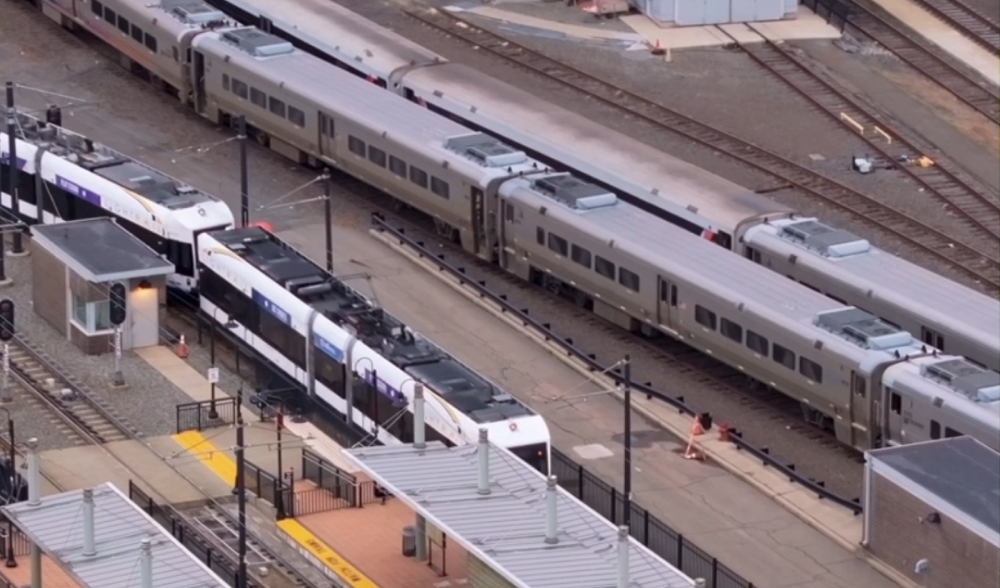
A PATH commute into the city or a light rail connection through the county is part of the daily routines of thousands of New Jersey residents. When a sudden stop sends passengers into seats and railings, or a platform hazard disrupts your day before it even begins, your morning routine changes in an instant.
Accidents on New Jersey transit systems are more common than expected. A collision at a grade crossing or a fall on a defective platform can leave passengers injured and uncertain about what to do next. Claims involving public transit carry procedural requirements that do not apply to standard car accident cases. Missing a single deadline can eliminate the right to pursue compensation, even when injuries are severe. Understanding these requirements and acting promptly is essential.
Public Transit Claims Are Different From Other Injury Cases
When another driver rear-ends your car, you file an insurance claim. When you are injured on a New Jersey public transit system, a different set of rules applies.
Claims against public entities are governed by the New Jersey Tort Claims Act. Strict procedural requirements control how and when a claim can proceed.
The most consequential requirement is the notice deadline. An injured person must file a formal written Tort Claim Notice within 90 days of the accident under N.J.S.A. 59:8-8. This is not a lawsuit. It is a required step that preserves the right to file one. Exceptions are narrow and rarely granted.
How Public Transit Accidents Occur
Not every transit injury involves a major collision. Many occur during routine operations, including falls during boarding or sudden stops, hazardous conditions at stations or platforms, collisions at grade crossings, and mechanical or equipment failures.
What to Do After a Public Transit Injury in New Jersey
The steps taken immediately after an injury affect both recovery and any potential claim.
- Seek medical attention immediately. Do not delay treatment. Prompt evaluation creates documentation linking the injury to the incident.
- Report the accident. Notify the operator or on-site personnel. If law enforcement responds, obtain the report number and request a copy.
- Document the scene. Photograph the location and any visible injuries. Collect names and contact information from witnesses. Record the date, time, and exact location.
- Do not provide a statement without counsel. Statements made early can affect how a claim is evaluated. You are not required to provide a recorded statement.
- Consult a New Jersey transit accident attorney promptly. The 90-day Tort Claim Notice deadline is strictly enforced. Early action helps preserve evidence and protect your rights.
Who May Be Responsible After a Public Transit Accident
Transit accidents often involve more parties than are apparent at the scene.
NJ Transit operates a complex system of vehicles, infrastructure, and contractors. Liability may extend beyond the operator to the broader system. Responsible parties may include the transit agency, the individual operator, a municipality responsible for roadway or crossing conditions, a manufacturer whose equipment failed, or a maintenance contractor that failed to address a known hazard. In some cases, a third-party driver may also be responsible.
What Compensation May Be Available
Transit injuries affect daily life, work, and long-term health. Compensation may include medical expenses and future care costs, lost wages and reduced earning capacity, pain and suffering, loss of enjoyment of life, and loss of consortium.
New Jersey does not cap compensatory damages in personal injury cases. Under N.J. Stat. § 2A:15-5.14, punitive damages may be available in cases involving reckless or intentional misconduct and are capped at $350,000 or five times compensatory damages, whichever is greater.
Evidence Preservation in Transit Cases
Public transit vehicles and stations are typically equipped with surveillance systems. Interior cameras capture passenger movement and operator conduct. Station cameras record conditions before and after an incident.
This footage is not retained indefinitely. Without a formal preservation request, it may be overwritten.
Additional evidence may include maintenance logs, inspection records, incident reports, and internal communications. These records can be critical in determining how and why an injury occurred.
Contact a New Jersey Transit Accident Attorney
Transit injury claims involve strict deadlines, multiple parties, and evidence that can be lost quickly. The timing of medical care, documentation, and legal action all affect how a claim is evaluated.
If you were injured on PATH, Light Rail, NJ Transit, or any other public transportation system, the attorneys at Eichen Crutchlow Zaslow are prepared to investigate the circumstances, identify all responsible parties, and pursue the compensation you deserve.
Contact us today for a free and confidential consultation.
Eichen Crutchlow Zaslow, LLP has purposely remained small in size, because it is important to us that we get to know our clients and their needs. Larger NJ injury firms may churn out case after case, but that’s not how we operate. Partners Barry Eichen, William Crutchlow, and Daryl Zaslow have created a firm with the resources to handle complex litigation, and a team that takes your case personally.
Find out more about Eichen Crutchlow Zaslow, LLP