
Top 5 Most Common Summer Injuries on the Jersey Shore (and How to Prevent Them)
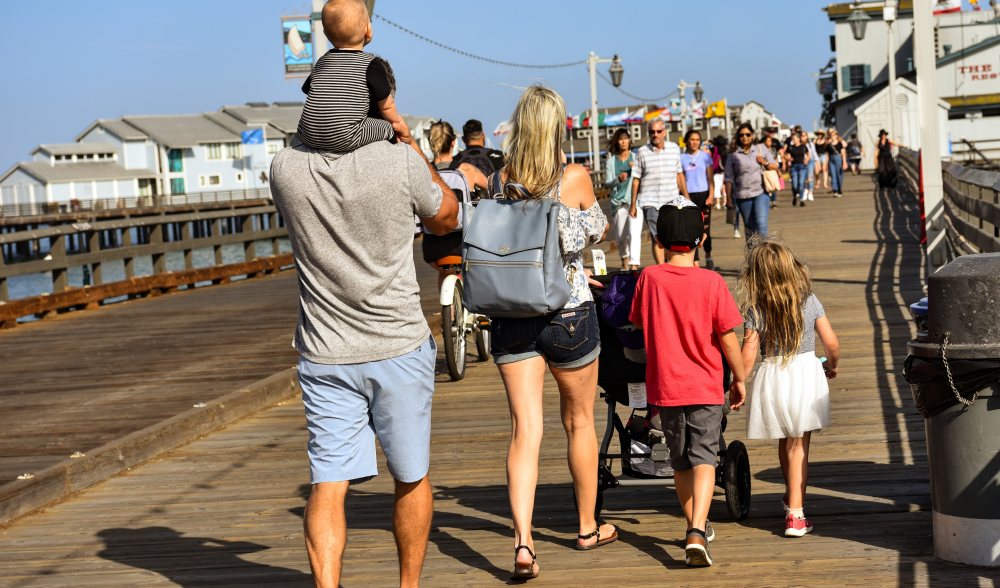
For locals and tourists alike, summer on the Jersey Shore is the season for beach vacations and family road trips, from the boardwalks of Atlantic City to the beaches of Cape May. More people enjoying the shore also means more risk of injury. Before you buy your beach tags for the 2026 season, here are the top five most common summer injuries we see, and how to avoid them on the shore.
1. Car and Motorcycle Accidents
From Memorial Day Weekend through Labor Day, the Jersey shore sees its busiest and most dangerous stretch of the year, a period often called, “the deadliest days of summer.” The National Road Safety Foundation reports that car crashes are the leading cause of death for teens, and that teens are roughly 20 percent more likely to be involved in a fatal crash during these 100 days than during the rest of the year.
With school out, more young drivers take to the road, and inexperience can lead to crashes. Distracted driving, speeding, and drunk driving add to the danger. With more people on New Jersey roads and highways, the likelihood of a summer collision climbs.
A few habits lower the risk:
- Follow the speed limit, watch road signs and signals, and keep a safe distance from the car ahead.
- Always wear your seat belt. The National Highway Traffic Safety Administration estimates that seat belt use in passenger vehicles saved 14,955 lives in 2017.
- Never drink and drive.
- Rest before getting behind the wheel.
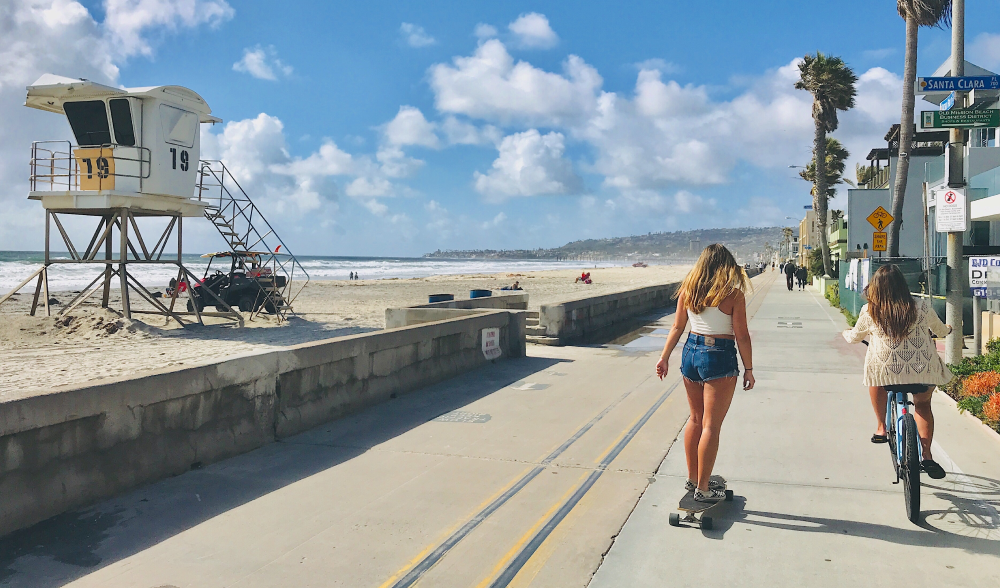
2. Slip and Fall Injuries
The shore is full of surfaces that turn slick in summer. Boardwalk planks, pool decks, restaurant tile tracked with water, and rental property stairs dusted with sand all create footing hazards. A fall on a hard surface can cause broken wrists, hip fractures, and head injuries. Older visitors face the highest risk.
A few habits can help prevent injuries. Wear shoes with high-quality traction instead of old flip-flops, watch for wet or sandy patches near pools and entryways, and use handrails on stairs and ramps.
When a fall occurs because a property owner ignored a known hazard, they can be held liable under New Jersey premises liability law, which requires property owners to keep their premises reasonably safe.
3. Water Safety: A Safe Swimming Strategy
The ocean, pools, and lakes draw crowds all season, and coastal waters carry real danger even for strong swimmers. Rip currents pull swimmers away from shore, and shallow water leads to diving injuries every summer. A dive into unexpectedly shallow water can cause spinal cord injuries.
A safe swimming strategy starts with respecting the water. Swim where the Beach Patrol is on duty, keep constant eyes on children in and around water, and put life jackets on weak swimmers and young children. Many shore towns run water safety programs, and the New Jersey Water Safety Alliance offers additional safe swimming guidance. If a rip current catches you, stay calm, float, and swim parallel to the shore until you are free of it.
Property owners also share responsibility for water safety. Pool owners are expected to provide reasonable protections such as fencing, clear signage, and lifeguards where they are required. When a preventable injury follows a failure to provide those protections, the property owner may be held accountable.
4. E-Bike Accidents
E-bikes are everywhere along the shore, on bike lanes, and streets shared with summer traffic. Their speed can be a safety issue. A bike that moves like a small motorcycle increases the severity of a crash.
New Jersey categorizes e-bikes into classes based on speed and motor type, and the class determines where and at what speeds a bike can legally travel. Boardwalks are off-limits to e-bikes, so riders should know the rules for the path or street they are on. Staying safe also means wearing a helmet, using lights, and following the same traffic rules as cars. To ensure you are riding legally and safely, follow the New Jersey Motor Vehicle Commission e-bike regulations.
When an e-bike crash involves a careless driver, a dangerous stretch of road, or a defect in the bike itself, the rider may have the right to pursue compensation. A failure in brakes, a battery, or another component can fall under the New Jersey Products Liability Act, N.J.S.A. 2A:58C-1 et seq.
5. Summer Construction Accidents
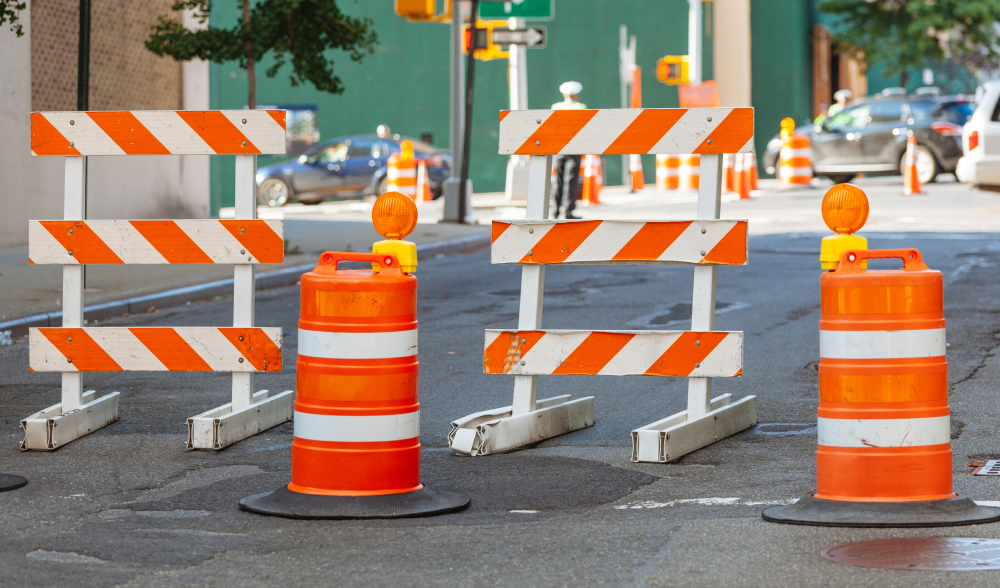
Summer is the peak season for building and road work, which means more crews, more heavy equipment, and more work zones threading through shore traffic. The risk runs two ways: to the workers on site and to the drivers passing through.
Behind the wheel, you can lower your risk by slowing down well before a work zone, obeying flaggers and posted signs, and anticipating sudden lane shifts and stopped traffic. On the job, falls, struck-by incidents, and equipment accidents remain the leading causes of harm.
Injured workers often have more than one path to compensation. Workers’ compensation covers the employer’s role, and it does not prevent a separate claim against a negligent contractor, property owner, or equipment manufacturer. Construction sites are governed by strict Occupational Safety and Health Administration (OSHA) regulations. New Jersey law also holds contractors to a duty of care to provide a reasonably safe worksite. Most injury claims carry a two-year filing deadline, under N.J.S.A. 2A:14-2.
New Jersey Shore Personal Injury Attorneys
If you or a loved one has been injured in a summer accident, the personal injury attorneys at Eichen Crutchlow Zaslow are prepared to investigate the circumstances, identify all responsible parties, and pursue full compensation.
Contact Eichen Crutchlow Zaslow for a free confidential consultation.
Eichen Crutchlow Zaslow, LLP has purposely remained small in size, because it is important to us that we get to know our clients and their needs. Larger NJ injury firms may churn out case after case, but that’s not how we operate. Partners Barry Eichen, William Crutchlow, and Daryl Zaslow have created a firm with the resources to handle complex litigation, and a team that takes your case personally.
Find out more about Eichen Crutchlow Zaslow, LLP