
Birth Injuries in New Jersey: When Are a Baby’s Birth Injuries the Result of Medical Malpractice?
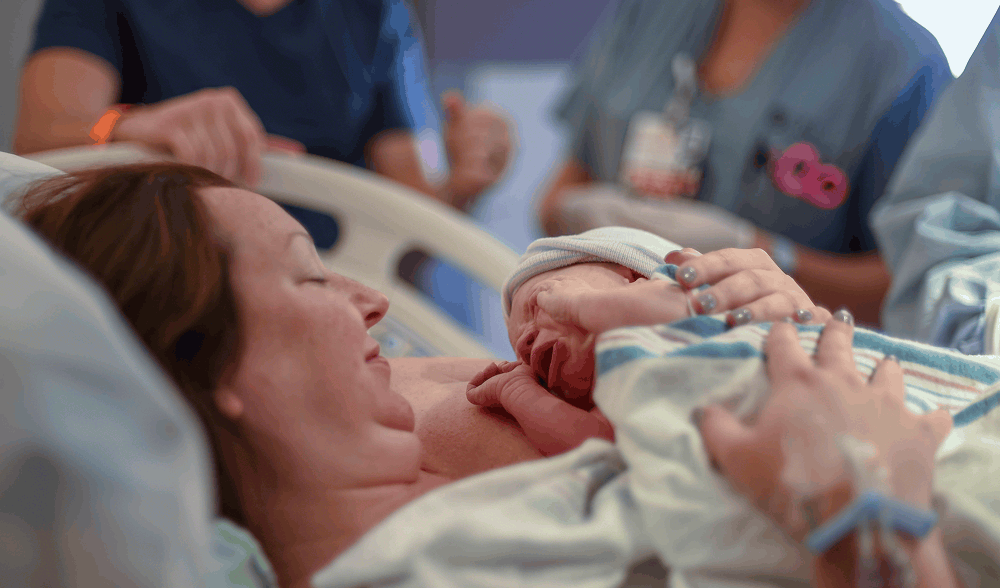
Childbirth does not always go according to plan. Labor may last longer than expected, an emergency C-section may become necessary, or a baby may need additional medical care immediately after delivery. When preventable medical errors contribute to an infant’s injury, a family may have grounds for a medical malpractice claim, especially for parents who are trying to care for an injured child while searching for answers about what happened.
An experienced birth injury lawyer can review the circumstances surrounding the pregnancy, labor, and delivery to determine whether the medical team provided appropriate care. This is especially important because too frequently the physicians involved and other medical care providers do not tell parents what truly caused their baby’s injuries.
What Is a Birth Injury?
A birth injury is an injury that occurs before, during, or shortly after delivery. Some injuries are temporary and resolve with treatment, while others can result in lifelong physical, neurological, or developmental challenges. Cerebral Palsy (CP), Hypoxic Ischemic Encephalopathy (HIE), Erb’s Palsy, Brachial Plexus Injuries, Intracranial Hemorrhages, Periventricular Leukomalacia (PVL), and many Genetic Birth Defects are types of birth injuries that can be caused by or result from medical malpractice.
The issue is whether a healthcare provider failed to meet the applicable standard of care and whether that failure caused or contributed to the child’s harm.
When Can a Difficult Delivery Become Birth Injury Malpractice?
Doctors, nurses, hospitals, and other healthcare professionals are expected to provide care that meets accepted medical standards.
A potential malpractice case may arise when a healthcare professional fails to recognize a complication, does not respond appropriately, or makes another preventable error that causes injury.
Examples may include:
- Failing to properly monitor the mother or baby
- Failing to recognize signs of fetal distress
- Delaying a medically necessary C-section
- Improperly managing shoulder dystocia
- Using excessive force during delivery
- Misusing forceps or vacuum extraction
- Failing to diagnose or properly treat maternal complications
- Failing to respond appropriately to umbilical cord or placental problems
- Failing to diagnose or treat certain newborn conditions after delivery
- Failing to do proper genetic testing and/or screening
- Failing to perform and interpret prenatal ultrasounds and prenatal tests
Determining whether one of these events amounts to malpractice usually requires a detailed and expert review of the medical records and the applicable standard of care by attorneys experienced in these cases.
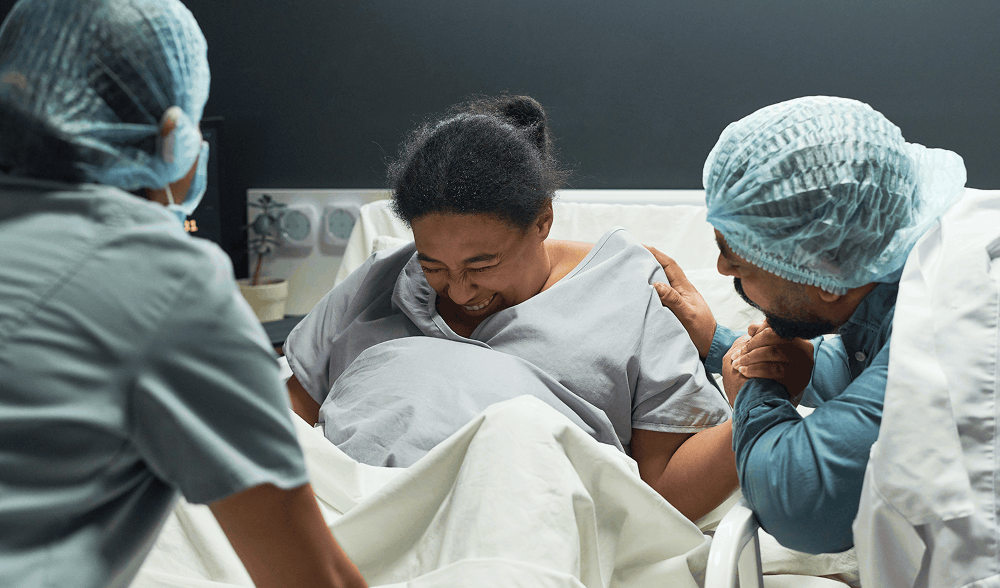
Failure to Recognize Fetal Distress
Monitoring a baby’s condition during labor allows the medical team to identify warning signs and determine whether intervention is needed. Changes in fetal heart rate and other clinical findings can indicate that a baby may not be tolerating labor well.
Physicians, labor and delivery nurses, and healthcare providers are expected to monitor a baby’s well-being and respond when signs of distress appear.
The response will depend on the circumstances. In some situations, doctors may need to change the mother’s position, administer treatment, or take other measures. In others, an emergency or “stat” Cesarean delivery may be necessary.
When warning signs are missed, or an appropriate response is unnecessarily delayed, a baby may experience oxygen deprivation or other complications.
Delayed C-Sections and Birth Injuries
A Cesarean section can become necessary when continuing with a vaginal delivery creates unacceptable risks for the mother or baby. Circumstances such as fetal distress, abnormal positioning, stalled labor, placental complications, or umbilical cord problems may lead doctors to consider a C-section.
The timing of that decision is critical.
ECZ has represented families in cases involving an alleged failure to perform a timely Caesarean delivery or C-section. If medical providers fail to recognize signs that a C-section is necessary or recognize the signs that require a timely Cesarean delivery but do not act within an appropriate period, the delay may cause and/or increase the risk of injury.
Oxygen Deprivation and Hypoxic-Ischemic Encephalopathy
One of the most concerning complications surrounding labor and delivery is a disruption in the baby’s oxygen supply.
The National Institute of Child Health and Human Development notes that a prolonged lack of oxygen to the brain can cause brain damage. Problems involving the placenta, uterus, or umbilical cord are among the circumstances that can interfere with oxygen delivery.
Hypoxic-ischemic encephalopathy, commonly known as HIE, is a form of brain injury associated with insufficient oxygen and blood flow. ECZ provides additional information about hypoxia and birth injuries.
Shoulder Dystocia and Brachial Plexus Injuries
Shoulder dystocia occurs when a baby’s shoulder or shoulders becomes lodged during delivery. Medical professionals must respond carefully because excessive force on the baby’s head, neck, or shoulders can damage the brachial plexus, a network of nerves responsible for movement and sensation in the arm and hand.
Depending on the severity of the damage, a child may experience weakness, loss of movement, or conditions such as Erb’s palsy.
On its brachial plexus injury page, ECZ discusses how these injuries can occur. A birth injury malpractice investigation involving shoulder dystocia may consider whether the healthcare providers recognized relevant risk factors, used appropriate delivery techniques, and avoided excessive traction.
How Can Parents Know Whether a Birth Injury Was Preventable?
This is often one of the hardest questions for families to answer on their own.
Parents may be told that the delivery was difficult or that an unexpected complication occurred without receiving a clear explanation of why. In other cases, the extent of an injury may not become apparent until months or even years later, when a child begins missing developmental milestones.
Parents who have questions may want to consider circumstances such as:
- An emergency C-section
- A baby requiring immediate resuscitation
- Seizures or other neurological symptoms shortly after birth
- Unexplained injuries to the baby’s arm or shoulder
- Any serious and unexpected medical condition or diagnosis
A birth injury lawyer can work with qualified medical professionals to evaluate the care provided before, during, and after delivery.
What Evidence Is Important in a Birth Injury Case?
Birth injury cases can involve extensive medical documentation. Because labor and delivery may change rapidly, the timeline of events can be especially important.
Relevant evidence typically includes prenatal records, prenatal ultrasounds, labor and delivery records, fetal monitoring strips, nursing notes, medication records, operative reports, newborn medical records, imaging results, laboratory testing, and records of subsequent treatment.
Experts may then review those records to determine what healthcare providers knew at specific points during prenatal care and labor, and what a reasonably careful provider should have done under similar circumstances.
New Jersey also has specific requirements for professional negligence lawsuits. Under the state’s Affidavit of Merit statute, plaintiffs in qualifying malpractice cases generally must provide an affidavit from an appropriate licensed professional stating that there is a reasonable probability that the care fell outside acceptable professional standards. The statute establishes deadlines and qualifications for that affidavit, which is one reason medical malpractice litigation requires careful preparation.
What Can Compensation Cover After a Preventable Birth Injury?
A severe birth injury can affect much more than the period immediately following delivery. Some children may need medical treatment, therapy, adaptive equipment, educational assistance, or personal care for years or throughout their lives.
When medical negligence causes an injury, compensation may address losses such as past and future medical expenses, rehabilitation and therapy, assistive equipment, specialized care, pain and suffering, and other damages permitted under New Jersey law.
For a child with a permanent neurological or physical disability, determining future needs can be particularly important. A claim may involve medical specialists, rehabilitation professionals, economists, or life-care planning experts to understand how the injury is expected to affect the child over time.
ECZ has experience with these complex cases. The firm’s documented results include recoveries involving cerebral palsy, hypoxic ischemic encephalopathy, brachial plexus injuries, and other birth injuries, although every case depends on its individual facts and circumstances.
How Long Do Families Have to File a Birth Injury Claim in New Jersey?
Medical malpractice claims are subject to filing deadlines, and birth injury cases can involve special rules because the injured patient is a minor. The applicable deadline may depend on when the injury occurred, when it was discovered, who is bringing the claim, and other circumstances.
Because missing a legal deadline can prevent a family from pursuing an otherwise valid claim, parents should not assume that they have unlimited time simply because their child is young. Speaking with an experienced medical malpractice attorney early can also make it easier to obtain and preserve medical records and other evidence.
Talk to an Experienced New Jersey Birth Injury Lawyer
A difficult delivery can happen even when doctors and nurses provide appropriate care. But when a preventable medical error causes a child life-altering harm, parents deserve clear answers about what happened and why.
The attorneys at Eichen Crutchlow Zaslow, LLP have extensive experience handling medical malpractice and birth injury cases throughout New Jersey. If you believe or question whether negligence during pregnancy, labor, delivery, or newborn care may have contributed to your child’s injury, contact ECZ to speak with an experienced birth injury lawyer about your family’s legal options.
Eichen Crutchlow Zaslow, LLP has purposely remained small in size, because it is important to us that we get to know our clients and their needs. Larger NJ injury firms may churn out case after case, but that’s not how we operate. Partners Barry Eichen, William Crutchlow, and Daryl Zaslow have created a firm with the resources to handle complex litigation, and a team that takes your case personally.
Find out more about Eichen Crutchlow Zaslow, LLP