
Severe Burn Injuries in New Jersey: Who May Be Liable and What Compensation Can Cover
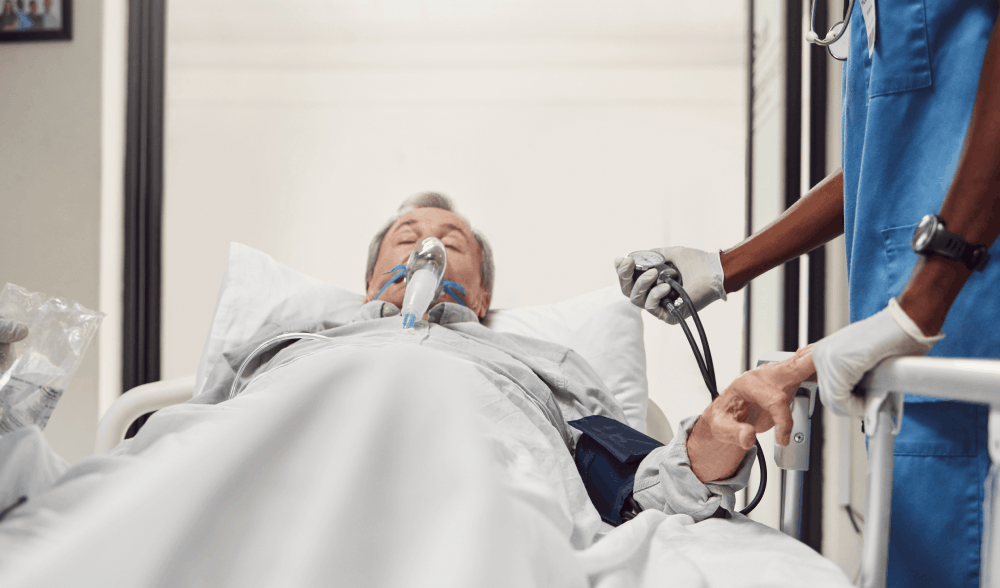
A severe burn can change a person’s life in seconds. Fires, explosions, electrical accidents, chemical exposure, scalding liquids, and other incidents can cause painful injuries that require extensive medical treatment and a long recovery. Some survivors are left with permanent scarring, limited mobility, nerve damage, or other life-altering complications.
When someone else’s negligence or a dangerous product contributes to the accident, an experienced burn injury lawyer can investigate what happened, identify potentially responsible parties, and determine whether the injured person has grounds to seek compensation.
Understanding liability is particularly important in severe burn cases because the circumstances that caused the injury can vary widely. A workplace explosion, apartment fire, defective appliance, and chemical exposure may all cause burns, but the legal questions surrounding each accident can be very different.
What Makes a Burn Injury Severe?
Burn injuries vary significantly in depth, size, location, and long-term effects. The American Burn Association explains that the severity of a burn can depend on factors including its depth and size, the person’s age, the location of the burn, whether an inhalation injury occurred, and other injuries or health conditions.
Some burns affect only the outer layers of skin. Deeper burns can damage underlying tissue, including fat and muscle. Severe injuries may require specialized treatment at a burn center, surgery, skin grafts, rehabilitation, and ongoing care.
The location of the injury also matters. Burns affecting the face, hands, feet, joints, or other sensitive areas can have significant functional consequences even when they cover a relatively small percentage of the body.
Smoke and chemical inhalation can create additional complications. Burn accidents can therefore involve injuries that are not immediately visible on the skin.
What Are Common Causes of Severe Burn Injuries?
A burn can happen almost anywhere, including at home, at work, on the road, or on someone else’s property.
ECZ handles New Jersey burn injury cases arising from incidents including building fires, appliance and furnace fires, gas tank or fuel line explosions, scalding, electrical shock, chemical exposure, and welding accidents.
Some common circumstances include:
- Residential and commercial building fires
- Explosions involving gas, fuel, or industrial equipment
- Electrical accidents
- Workplace and construction accidents
- Chemical exposure
- Defective appliances and consumer products
- Vehicle fires following crashes
- Scalding water or steam
- Welding and torch accidents
Identifying the cause is one of the first steps in determining whether another person or company may be legally responsible.
Who May Be Liable for a Severe Burn Injury?
There is no single answer to who is responsible for a burn accident. Liability depends on where and how the injury occurred and what actions contributed to it.
In some cases, more than one party may share responsibility.
Property Owners
Property owners have responsibilities regarding the safety of people lawfully on their premises. A fire or burn injury may raise questions about unsafe property conditions, negligent maintenance, faulty electrical systems, improperly maintained heating equipment, or other hazards.
For example, an investigation after an apartment or commercial building fire may examine whether known hazards were repaired and whether negligent maintenance contributed to the fire or made the resulting injuries worse.
A burn injury lawyer may review maintenance records, inspection reports, photographs, witness accounts, and other evidence to determine whether an unsafe property condition contributed to the accident.
Manufacturers and Sellers of Defective Products
Sometimes the source of a burn is a product rather than the property where the accident occurred.
Defective appliances, batteries, electrical equipment, heaters, fuel systems, machinery, and other products can potentially cause fires, explosions, electrical injuries, or exposure to dangerous substances.
ECZ represents people harmed by chemical burns involving dangerous products and other product-related injuries. Depending on the circumstances, a manufacturer, distributor, or other business in the chain of distribution may potentially be responsible for injuries caused by a defective product or inadequate warnings.
These cases often require technical investigation to determine how the product failed and whether its design, manufacturing, instructions, or warnings contributed to the injury.
Contractors, Employers, and Other Companies
Burns are also a significant risk in some workplaces, particularly construction and industrial settings.
Workers may encounter exposed electrical systems, welding equipment, flammable substances, chemicals, steam, hot surfaces, and heavy machinery. ECZ’s electrical injury practice includes accidents involving appliances, tools, wiring, and workplace electrical hazards.
Workers’ compensation may provide certain benefits after a job-related injury. However, some workplace accidents also involve negligence by a third party other than the injured person’s employer. A subcontractor, property owner, equipment manufacturer, or another company could potentially bear responsibility depending on how the accident occurred.
Determining which claims may be available requires examining the relationships among the people and businesses involved.
Negligent Drivers and Other Parties in Vehicle Accidents
Motor vehicle crashes can also cause devastating burns. Fuel leaks, fires, explosions, faulty electrical systems, or a person’s inability to escape a damaged vehicle may contribute to burn injuries following a collision.
In those situations, liability could involve the driver who caused the crash. A defective vehicle component or fuel system may create additional legal questions in some cases.
What Can Burn Injury Compensation Cover?
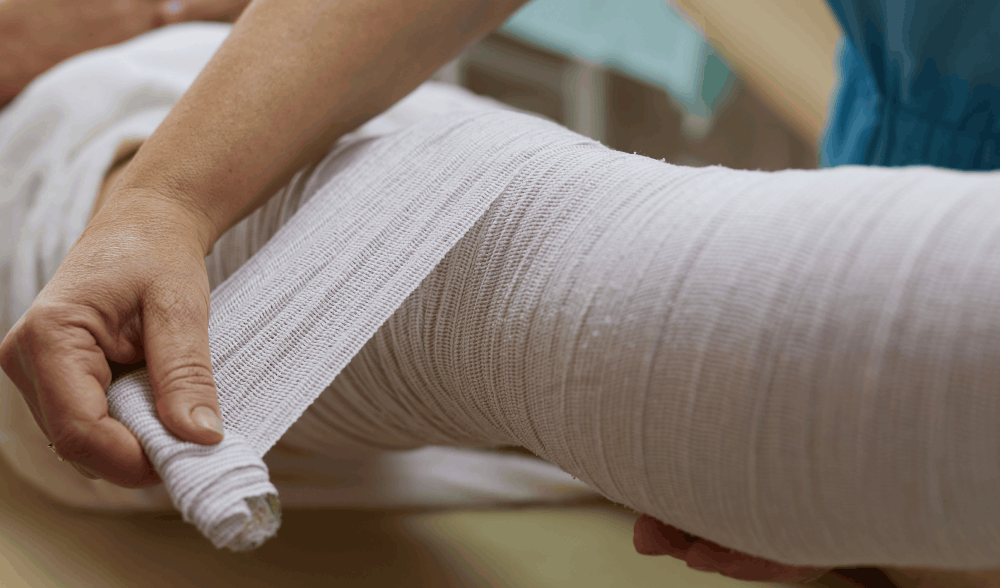
The financial impact of a severe burn may continue long after the initial hospitalization. Treatment can involve emergency care, specialized burn-unit treatment, surgeries, skin grafts, medication, rehabilitation, and follow-up procedures.
For people whose injuries were caused by another party’s negligence or wrongdoing, burn injury compensation may address losses such as:
- Past and future medical expenses
- Rehabilitation and therapy
- Lost income
- Reduced future earning capacity
- Pain and suffering
- Scarring and disfigurement
- Loss of enjoyment of life
- Other damages resulting from the injury
The specific damages available depend on the circumstances of the case.
For someone with permanent injuries, evaluating future needs can be especially important. A severe burn may require additional reconstructive procedures, physical or occupational therapy, assistive care, or workplace accommodations years after the initial accident.
Severe Burns Can Have Long-Term Physical and Emotional Effects
Recovery from a severe burn is not limited to healing the wound.
The American Burn Association’s patient guidance describes a recovery process that can include physical therapy to restore movement and strength, occupational therapy to assist with daily activities, and treatment for scarring. It also recognizes that burn survivors can experience anxiety, depression, isolation, sleep problems, and post-traumatic stress.
Deep burns may require skin grafts, and scarring can affect both appearance and mobility. Burns around joints can make movement difficult, while injuries to the hands can interfere with everyday tasks and employment.
These long-term consequences are one reason a claim should consider more than the immediate medical bills. Understanding the full impact of an injury can be important when determining appropriate burn injury compensation.
How Is Liability Investigated After a Burn Accident?
Severe burn cases can require extensive investigation because fire and explosion scenes may change quickly. Damaged property may be repaired or demolished, equipment may be removed, and defective products may be discarded.
Depending on the accident, an investigation may involve:
- Fire department and police reports
- Photographs and video of the scene
- Building inspection and maintenance records
- Electrical or equipment records
- Product information and recall history
- Witness statements
- Workplace safety documentation
- Medical records
- Expert analysis of the origin and cause of a fire or explosion
ECZ notes that its burn injury attorneys may work with fire officials, police, and others to determine how an accident occurred and who may be responsible.
Preserving physical evidence can be especially important when a defective appliance, machine, battery, vehicle component, or other product may have caused the fire.
How Long Do You Have to File a Burn Injury Claim in New Jersey?
Legal deadlines can apply to burn injury claims. Under New Jersey law, actions for personal injuries caused by another person’s wrongful act, neglect, or default generally must be filed within two years after the claim accrues, although exceptions and different requirements can apply in particular circumstances.
Some claims may have substantially different procedural requirements. For example, ECZ notes that claims involving New Jersey government entities can require a notice of tort claim within a much shorter period.
Because the applicable deadline depends on the facts, an injured person should not assume that every burn injury case follows the same timeline. Early investigation can also help preserve evidence before a fire scene changes, records disappear, or damaged equipment is discarded.
When Should You Speak With a Burn Injury Lawyer?When Should You Speak With a Burn Injury Lawyer?
Not every burn results from negligence, and the fact that an accident caused a devastating injury does not automatically establish legal responsibility.
However, an investigation may be warranted when a burn occurred due to unsafe property conditions, defective equipment, an explosion, electrical hazards, dangerous chemicals, a workplace controlled by multiple companies, or another person’s negligent actions.
An attorney can investigate the cause of the accident, determine which parties may have had responsibility for preventing it, preserve evidence, and evaluate the long-term effects of the injury.
Talk to an Experienced New Jersey Burn Injury Lawyer
Severe burns can affect a person’s health, independence, ability to work, and quality of life for years after an accident. When another person, business, property owner, or manufacturer may be responsible, understanding what happened is an important first step toward determining your legal options.
The attorneys at Eichen Crutchlow Zaslow, LLP represent people and families affected by catastrophic injuries throughout New Jersey. If you or a loved one suffered severe burns because of another party’s negligence, contact ECZ to speak with an experienced burn injury lawyer about your case and the compensation that may be available.
Eichen Crutchlow Zaslow, LLP has purposely remained small in size, because it is important to us that we get to know our clients and their needs. Larger NJ injury firms may churn out case after case, but that’s not how we operate. Partners Barry Eichen, William Crutchlow, and Daryl Zaslow have created a firm with the resources to handle complex litigation, and a team that takes your case personally.
Find out more about Eichen Crutchlow Zaslow, LLP