
Surgical Errors In NJ: What To Do When An Operation Goes Wrong
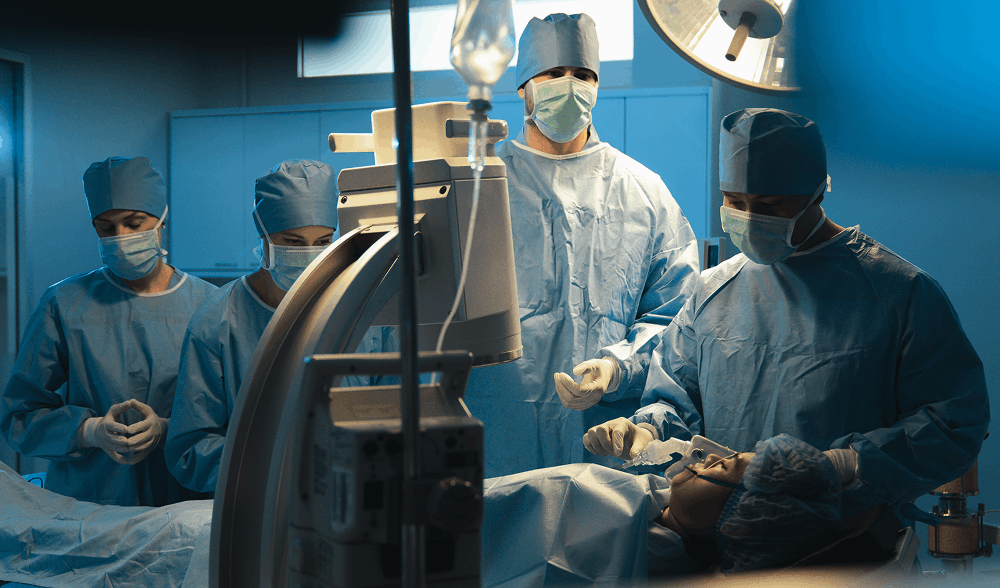
Surgery always carries some degree of risk. Even when a procedure is performed correctly, complications can occur. However, there is an important difference between a known surgical complication and an injury caused by medical malpractice.
When a surgeon, physician, anesthesiologist, or other medical professional fails to provide an appropriate standard of care, a preventable surgical mistake can leave a patient facing additional procedures, a longer recovery, permanent impairment, or other life-altering consequences. In the most devastating cases, a surgical error can be fatal.
For patients and families, determining what actually happened can be difficult. Medical records are complex, and a poor outcome does not automatically mean that someone was negligent. Experienced medical malpractice lawyers can investigate the circumstances, consult qualified medical experts, and determine whether the care provided may have fallen below the accepted standard.
What Is a Surgical Error?
A surgical error is a preventable mistake that occurs before, during, or shortly after an operation. These errors can happen during major procedures, outpatient surgeries, and relatively routine operations.
Some mistakes are particularly clear examples of failures in surgical safety. The federal Agency for Healthcare Research and Quality (AHRQ), for example, explains that wrong-site, wrong-procedure, and wrong-patient surgeries are considered “never events”, meaning they are events that should not occur in healthcare. AHRQ also notes that communication problems are a prominent underlying factor in these errors.
Other surgical errors may be less obvious. Examples can include:
- Operating on the wrong body part or performing the wrong procedure
- Accidentally damaging an organ, nerve, or blood vessel
- Leaving a surgical instrument, sponge, or other object inside the patient
- Making errors involving anesthesia or medication
- Failing to properly monitor a patient during or after surgery
- Failing to recognize or respond appropriately to surgical complications
- Providing inadequate postoperative care
ECZ represents patients in surgical error claims involving preventable mistakes and failures to meet accepted standards of medical care.
When Does a Surgical Error Become Medical Malpractice?
Not every surgical complication is medical malpractice. Surgery can have risks even when every member of the medical team follows appropriate procedures.
Generally, a malpractice claim requires evidence that a healthcare provider failed to meet the applicable standard of care and that this failure caused the patient harm. That distinction is important. The question is not simply whether something went wrong, but whether a reasonably competent medical professional under similar circumstances would have acted differently and whether that difference could have prevented the injury.
For example, a patient developing a recognized complication after surgery does not necessarily establish negligence. But if a surgeon failed to identify clear warning signs of that complication or failed to respond appropriately after it developed, the circumstances may warrant further investigation.
This is one reason surgical malpractice cases often require medical experts. An expert can review records, imaging, surgical notes, and other evidence to evaluate what happened and whether the care met accepted professional standards.
How Physician Negligence Can Lead to Surgical Injuries
Physician negligence can occur at several points in the surgical process. A mistake does not necessarily happen during the operation itself.
Before surgery, a physician may fail to properly evaluate a patient’s medical history, review test results, identify medication risks, or determine whether the patient is an appropriate candidate for a procedure. During surgery, negligence might involve improper technique, damage to surrounding tissue, inadequate monitoring, or a failure to respond to a dangerous change in the patient’s condition.
Problems can also arise after the operation. A physician who overlooks symptoms of internal bleeding, infection, organ damage, or another complication may delay treatment when prompt intervention is needed.
Who May Be Responsible for a Surgical Error?
The surgeon is not necessarily the only person whose conduct should be reviewed. Depending on what happened, responsibility could involve an anesthesiologist, assisting physician, nurse, technician, hospital, or surgical facility.
For example, an anesthesiologist may be responsible for monitoring vital signs and administering anesthesia safely. Nurses and other operating-room personnel may have responsibilities related to patient monitoring, equipment, medication, and surgical counts. Hospitals can also face questions about policies, staffing, training, credentialing, and patient safety procedures.
When the circumstances involve broader failures within a medical facility, an investigation may also look for signs of potential hospital negligence.
What Are Signs That a Surgical Error May Have Occurred?
Pain and discomfort are common after many operations, so symptoms alone do not prove malpractice. However, an unexpected or unexplained change in recovery may justify additional medical attention.
Patients may become concerned if they experience unusually severe or worsening pain, unexplained bleeding, signs of infection, unexpected loss of function, new neurological symptoms, or complications that require another procedure. A patient may also learn that something unexpected occurred during surgery or discover that the procedure performed differs from what was discussed beforehand.
Sometimes the first indication of a possible mistake comes from another healthcare provider. A second physician may identify an injury, retained object, or other problem while treating complications from the original operation.
The immediate priority should be the patient’s health. Seek appropriate medical attention rather than delaying necessary treatment while trying to determine whether malpractice occurred.

What Should You Do If You Suspect a Surgical Error?
After receiving appropriate medical care, begin preserving information related to what happened.
Be sure to keep copies of:
- Discharge instructions
- Test results
- Prescriptions
- Bills
- Communications with healthcare providers
Additionally, write down what you remember about conversations before and after surgery, including explanations you received about unexpected complications.
You may also request your medical records. The complete record can provide important information, including:
- Preoperative planning
- Consent
- Information about the operation itself
- Anesthesia
- Post-operative monitoring
- Treatment of any complications
Do not assume that the surgical notes tell the entire story. Medical malpractice lawyers can examine records alongside other evidence and consult experts who understand the type of procedure involved. ECZ’s experience includes claims arising from specialized procedures, including laparoscopic surgery errors and orthopedic surgical errors.
How Medical Malpractice Lawyers Investigate Surgical Errors
A surgical malpractice investigation often begins with a detailed review of the patient’s medical history and records. Attorneys may examine preoperative tests, operative reports, anesthesia records, nursing notes, imaging, pathology results, and postoperative care.
Independent medical experts can then help determine whether the treatment provided was consistent with accepted medical standards and whether a departure from those standards caused additional injury.
This expert review is particularly important because New Jersey has specific procedural requirements for professional malpractice cases. Depending on the circumstances, a plaintiff pursuing a claim against a licensed professional may need an affidavit from an appropriately qualified expert supporting the claim’s reasonable basis.
How Long Do You Have to File a Medical Malpractice Claim in New Jersey?
Time matters when investigating possible malpractice. Under New Jersey’s statute governing actions for personal injuries, these claims generally must be commenced within two years after the cause of action accrues.
However, determining when that period begins can become complicated in a medical malpractice case. There may be circumstances in which an injury or its connection to negligent treatment is not immediately known, and different rules can apply to certain claims involving minors.
Because filing deadlines depend on the specific facts of a case, patients should not assume they have a full two years from the date they first suspect something went wrong. Speaking with an attorney promptly can provide time to obtain records, consult experts, preserve evidence, and evaluate applicable deadlines.
What Compensation May Be Available After a Negligent Surgical Error?
The consequences of a surgical mistake can extend well beyond the original operation. A patient may need corrective surgery, rehabilitation, medication, home care, or ongoing treatment. Some people cannot return to work immediately, while others may experience permanent limitations that affect their ability to earn a living.
When physician negligence or another form of medical negligence causes harm, recoverable damages may address medical expenses, lost income, reduced future earning capacity, pain and suffering, disability, and other losses associated with the injury. The damages available depend on the individual circumstances.
If negligent surgical care results in death, surviving family members may also need to determine whether the circumstances support a fatal medical malpractice claim.
Talk to New Jersey Medical Malpractice Lawyers About a Surgical Error
When an operation goes wrong, it is not always immediately clear whether the outcome was an unavoidable complication or the result of medical malpractice. Understanding that difference may require a careful review of the medical records, the applicable standard of care, and the actions of everyone involved in the patient’s treatment.
For 40 years, Eichen Crutchlow Zaslow has represented injured patients and families throughout New Jersey, including people affected by surgical mistakes and other forms of medical negligence. If you believe an operation caused preventable harm to you or a loved one, contact Eichen Crutchlow Zaslow for a free consultation to discuss what happened and learn about your legal options.
Eichen Crutchlow Zaslow, LLP has purposely remained small in size, because it is important to us that we get to know our clients and their needs. Larger NJ injury firms may churn out case after case, but that’s not how we operate. Partners Barry Eichen, William Crutchlow, and Daryl Zaslow have created a firm with the resources to handle complex litigation, and a team that takes your case personally.
Find out more about Eichen Crutchlow Zaslow, LLP